





Compassionate Accountability is a proven method that gives teams a shared language for difficult conversations, clear accountability and decision-making without tension, stronger motivation, healthier conflict, and more effective feedback.
No drama. In every conversation.
Different teams, different companies — the same pattern. Here is how it usually shows up on the surface:
Different symptoms. Same root cause. The team lacks a shared way to navigate difficult conversations and accountability.

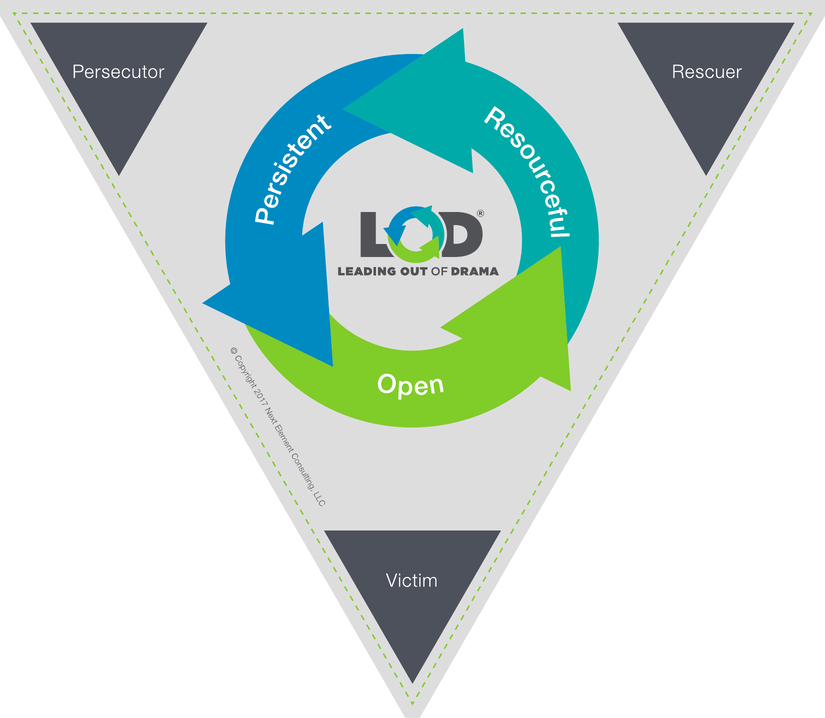
In most organizations, people were never taught how to hold care for people and clear standards together at the same time.
They learned one of two extremes — either protect the relationship and let standards drop, or protect the result while allowing the relationship to suffer.
As a result, teams remain stuck between softness without standards and pressure without trust. Neither of those approaches creates sustainable results or a healthy culture in the long run.
Compassionate Accountability offers a third path — a way to be both clear and compassionate in the same conversation while still holding people accountable.
Compassionate Accountability for Teams is a development program that teaches teams and leaders how to handle conflict, feedback, agreements, and accountability in a way that protects both relationships and results.
It is built on a simple but powerful principle: people perform best when they are treated as valuable, capable, and responsible.
That principle changes the way teams interpret behavior, respond under pressure, and move through tension.
This is not communication training. This is work on behaviors, habits, and team culture that continues long after the training ends.



Participants learn how to recognize unhealthy drama patterns in team dynamics, understand what drives blaming, rescuing, withdrawal, and escalation, and develop a mindset that sees people as valuable, capable, and responsible.
They also learn three core skills — Openness, Resourcefulness, and Persistence — as well as ORPO, a practical framework for difficult conversations.
Participants learn how to:
The goal is not only understanding. The goal is behavioral change in day-to-day work.
After the program, participants leave with a clearer language for difficult team situations, a deeper understanding of their reactions under pressure, greater confidence in challenging conversations, and practical tools for feedback and accountability.
They also leave with a clearer framework around boundaries, ownership, and execution, as well as a shared language the team can continue using after the workshop.
In practice, this means they are better prepared to address problems earlier, reduce unnecessary escalation, remain grounded under pressure, and create more consistency in the way the team handles tension, performance, and accountability.
This program is designed as a two-day experience because one day is usually enough to understand the model, but not enough to practice it deeply or translate it into everyday work.
The two-day format creates space to understand the root problem, recognize individual and team patterns, learn the framework, practice on real business situations, and build confidence for applying it after the training.
he program combines a clear conceptual framework, facilitated discussions, practical exercises, team reflection, live practice, and work on real business scenarios. The focus is not only on understanding the model, but on translating it into real conversations, boundaries, expectations, and behaviors.
The assessment material is used as a central working tool throughout the program, giving the experience greater depth, stronger relevance, and a much more concrete connection to what people are already experiencing within their team.
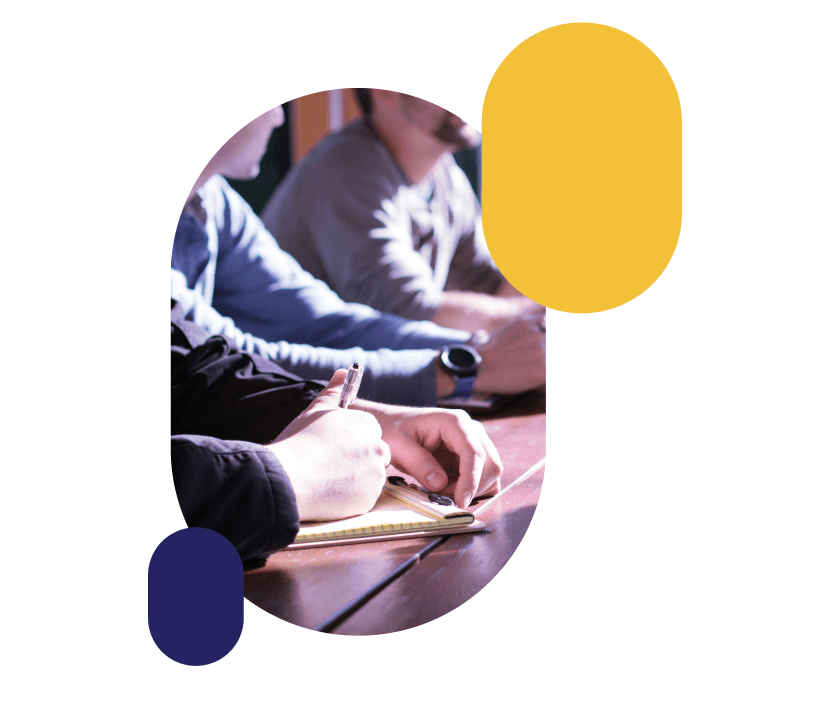
The program is especially valuable for organizations that want to improve how teams function under pressure, in disagreement, in accountability situations, and during difficult conversations.
It is particularly effective in areas such as:
The program helps teams move away from avoidance, rescuing, blaming, reactivity, and inconsistency toward greater openness, clarity, ownership, consistency, and trust.
The program is designed for leadership teams, project and functional teams, cross-functional teams, managers and team leaders, as well as HR and people development teams.
It is especially valuable for organizations going through change, rapid growth, or cultural strain. It is also highly beneficial for teams where hesitation, misalignment, low trust, or underlying tension already exist.
It is equally valuable for companies that want to strengthen accountability without creating fear and improve team culture without lowering standards or expectations.

The program is designed as a two-day experience.
One day is enough to understand the model, but not enough to practice it or integrate it into everyday work.
The two-day format creates space to understand the root problem, recognize individual and team patterns, learn the framework, practice on real business situations, and build confidence for applying it after the training.
The program combines a clear conceptual framework, guided discussions, practical exercises, team reflection, live simulations, and work on real business scenarios.
The focus is not only on understanding the model, but also on translating it into real conversations, boundaries, expectations, and behaviors.
Compassionate Accountability Assessment serves as a central working tool throughout the program, adding greater depth and a stronger connection to what people are already experiencing within their teams.
A short conversation (30–45 minutes) where we understand your team’s challenges and what matters most for you to achieve.
We send you a proposal with a recommended format, content, and investment tailored to your context.
A two-day experience with your team. Practical, applicable, and supported with materials that remain available to the team afterward.
Based on your needs: follow-up sessions, individual work with leaders, deeper modules (Conflict and You), or integration into existing development programs.

If your team needs a healthier way to handle conflict, feedback, and accountability — let’s talk about what Compassionate Accountability could look like in your context.
This is not about becoming softer. It is about becoming clearer, steadier, and more effective in the moments that shape trust, culture, and results the most.
Not in the usual sense. Communication is part of it, but this program goes deeper into conflict, accountability, trust, boundaries, and team dynamics.
No. It is highly valuable for leaders, but it also works very well for teams, especially when they need a shared language and shared behavioral framework.
Yes. The program can be adapted to your specific team context, challenges, and goals.
Yes. The program must include a Compassionate Accountability assessment and individual or team debriefing. In the same time the report is working material.
For this topic, two days are strongly recommended. One day is enough for introduction, but usually not enough for meaningful practice and transfer.
We guarantee the quality of the content, the facilitation experience, and a methodology that has been proven in hundreds of organizations worldwide. The specific impact within your team also depends on how consistently the framework is used after the program — and we support that through follow-up sessions and conversations around practical application.
PCM Pro
Interpersonal skillsPersonality typesSelf-awarenessTeam cooperationUnderstanding others
PCM Pro is an advanced training program for people who want to deepen their understanding of themselves and others and use PCM more confidently, accurately, and practically in everyday communication. Through this program, you learn how to recognize deeper patterns of behavior, stress responses, and psychological needs, as well as how to build higher-quality relationships, reduce conflicts, and communicate much more effectively. We often say that this is all the knowledge you need—the rest is simply about applying and practicing it.
Sign up, because here your journey doesn’t end—it truly begins.
PCM Pro
Interpersonal skillsPersonality typesSelf-awarenessTeam cooperationUnderstanding others
PCM Pro is an advanced training program for people who want to deepen their understanding of themselves and others and use PCM more confidently, accurately, and practically in everyday communication. Through this program, you learn how to recognize deeper patterns of behavior, stress responses, and psychological needs, as well as how to build higher-quality relationships, reduce conflicts, and communicate much more effectively. We often say that this is all the knowledge you need—the rest is simply about applying and practicing it.
Sign up, because here your journey doesn’t end—it truly begins.